
Kind, cute, and cuddly
Inquisitively curious
Tail twitching to and fro
Tauntly creeping in stealth mode
Energetic and acrobatic
Nighttime pouncer: beware!!

Kind, cute, and cuddly
Inquisitively curious
Tail twitching to and fro
Tauntly creeping in stealth mode
Energetic and acrobatic
Nighttime pouncer: beware!!
Time frame: late 1980’s. While attending college in Minnesota I embarked on a quest to find my cousin, Kathy whom I last seen at age 10. I had told my roommate about her and she encouraged me to try to find her. We last saw each other when we were 10 years old. When we were five, my mother took a photo of us in the kitchen. When we were 10, we visited on the front lawn on a warm summer evening and I piled kittens on her lap. I thought those kittens were so cute but I am not sure she liked having them all on top of her. While I grew up on a farm in Wisconsin, Kathy lived in southern California. Kathy’s parents divorced when she was 11; she could not return to visit her Wisconsin relatives. She also couldn’t travel easily because she had cerebral palsy and used a wheelchair. My immediate family never traveled as far as California. We lost contact with Kathy during the years following the divorce. Although I only met my cousin just a few times in my life, I often wondered about her.
Determined to find Kathy, I met with my grandmother who had written her occasionally and she had written her. But, time again passed so my grandmother could only give me Kathy’s last known address. To make things more complicated, my cousin had married acquiring a different last name. My grandmother couldn’t remember her new last name. Not wanting to give up, I wrote Kathy a heart-felt letter using the wrong address and the wrong name mailing it with a stamp and a sincere prayer. I needed to believe that God would answer my prayer.
Weeks and even a month passed. One day, I arrived at my apartment and found a letter from California. The return address contained an unfamiliar last name but as soon as I saw “Kathy”, I knew it was from my cousin. I could hardly believe it. Eagerly, I opened the letter and found that Kathy had poured out her soul in that long, detailed letter. She described some incredible events in her life. She unexpectedly gave birth to a baby girl.
A number of doctors told her that she couldn’t get pregnant. Sometime later, Kathy began experiencing extreme pain and was taken to an urgent care clinic. She was misdiagnosed as having a kidney stone or a bladder infection. The very next day and while on medication for a bladder infection, she returned to the clinic due to increasing pain. She was in labor and was rushed to the hospital by ambulance. Kathy and her husband were shocked, amazed, and overjoyed giving thanks to God for the unexpected and miraculous birth of their daughter, Kristie.
Later Kathy told me that she and her husband tried to revisit her urgent care doctor who had misdiagnosed her. With her newborn daughter in her arms, Kathy wanted to show him her beautiful “kidney stone.” They were promptly told that the doctor was no longer at that clinic. Can you imagine the shock and surprise of everyone in that waiting room?
I wrote again and we began corresponding; by letter and by phone. We became more than cousins but friends who could talk about anything. While Kathy told me about her married life and cute stories of her young daughter, I told her about my job working with adults with developmental disabilities, family in Wisconsin, and my personal life. We shared about our common faith in Jesus. While Kathy had married, I had remained single which enabled me to do some limited traveling taking in time and limited budget considerations. At this point though, most of my solo journeys were short excursions to Wisconsin to visit family and friends. I had made occasional trips to Iowa too. Like I said, limited traveling.
Several years later, Kathy invited me to visit her in California and I was terrified, “I actually have to get on a plane?” Later and with lingering fear I was up for the adventure of traveling cross country. My first journey to San Diego was a direct flight taking about a three and half hours across mostly sunny skies; I watched from my window the changing view of cities, forests, and mountains. Farms resembled quilt blocks of grassland and crop fields.
When the jet journeyed downward, the rising topaz-tinted desert appeared on one side of the plane and the deep-blue ocean on my side. Sun rays brightened the clear sky and glimmered on the ocean’s surface making the scene sparkle like a sapphire gem. This picturesque view showed me God was there and was blessing my journey. Apprehensive though, I braced for the final approach as the jet glided towards land and jolted as it touched ground.
At the airport gate, I gathered my belongings, and walked through a curving tunnel. With nervousness, I rounded the last corner stepping into the terminal. The afternoon sun glistened through the airport’s vaulted windows and in the midst of a blinding glow; I glimpsed my cousin in her wheelchair. After 17 years we had reunited. I hurried to give Kathy the warmest hug I could.
“Welcome cousin,” she said in such a warm voice that I forgot my shyness. Kathy, a sensitive and loving person and we soon felt like sisters and even best friends. During this visit I became acquainted with Kathy’s husband and daughter. While I visited that first time, we managed to visit both Disneyland and SeaWorld. Surprisingly, Disneyland was a disappointment especially for Kathy. Many exhibits and attractions would advertise that they were “handicap accessible” but they really weren’t so; at least not for someone who is in a wheelchair. We did find one interesting attraction that was truly accessible; the Mark Twain Steamboat ride. Kathy was easily able to maneuver onto the boat and find a safe place to park her chair. We all enjoyed the gentle and scenic excursion along their makeshift “Mississippi River”.
SeaWorld proved to be more interesting as all wildlife exhibits and presentations there were truly accessible for Kathy; this made our visit much more enjoyable for all. While there we saw two orca whales, Shamu and Baby Shamu who we learned was just a few weeks old. We could see Mother Shamu teaching Baby to swim and turn in the large pool. Another highlight was seeing the splashing, playful dolphins. As I held onto my four year old cousin, Kristie, one eager dolphin flew in to water to our side showering us in a huge spray of water. My little cousin was soaked from head to toe but she delightedly reached out to pet the friendly animal.
This one visit turned into many. We went on adventures together forging new memories and deepening our relationship. We also shared bus-related misadventures and trips to the beach on warm, sunny days. In one bus related mishap, Kathy was stuck, mid-air, on a broken bus lift and we waited hours under a steamy summer sun for her to be rescued. In another misadventure, we boarded the wrong city bus but did not realize this until the bus turned onto Eucalyptus Street heading in the wrong direction. We then got off the bus as soon as we could and endured a long walk home in the dark as no more buses were available that late in the day.
Also taxis were not an option as I was not strong enough to transfer Kathy into a car seat. During this time, accessible transportation options for my cousin were very limited. To keep ourselves calm, we kept up a steady conversation and prayed for God to keep us safe. Today, I don’t remember what our conversation entailed; I just remember the long walk along those California streets in the darkness like venturing through a dimly lit and unfamiliar tunnel. Also, Kathy at this point used a manual wheelchair so I pushed her along until we were safely home. I have no doubt that Jesus was watching over us during that journey in the darkness.
Some years later, we camped on Mount Palomar where the sun-filtering forest surrounded us like a colorful, woven blanket handmade by God; it was a quiet refuge from the demanding world far below us. We basked in nature’s peacefulness venturing through the woods, picnicking, and relaxing around a campfire. We visited Mount Palomar Observatory and stayed up late looking through large telescopes, set up in a mountain meadow, to view stars, planets and nebulas. Kathy’s husband and I took turns pushing Kathy’s wheelchair through the long grass so she could gaze through as many telescopes as she wanted. It was a special evening of admiring God’s glowing creations, glittering like jewels embedded in the deep night sky.
The tranquil, emerald-colored mountain was a vivid contrast to the traffic-filled streets, and the sun-scorched climate of Kathy’s everyday life. Years later, she and her family moved to Washington State where they’re amid perpetual greenery. Kathy’s daughter, Kristie, who is an artist and nature lover often shoots photos depicting nature’s inspiring beauty. She once asked me, “Do you remember how green it was on Mount Palomar? Well, it’s like that here but it’s everywhere.” The experience of Mount Palomar affected us all and remained a cherished memory in our hearts.
Over the years we’ve persevered through life’s heartaches and disappointments praying and encouraging each other. In the same year, Kathy’s father passed away, my mother unexpectedly died; together we faced each family holiday with grieving hearts and feeling the emptiness of our parents being gone too soon.
We also encouraged each other in new aspirations. In recent years, Kathy, growing in confidence and a desire to do more in her life, took on the tasks of completing her college degree and exploring professional work opportunities. We both embraced academic challenges and will often challenge each other in trivia and word games.
Several summers ago, I visited Kathy in her Washington home and we again indulged our adventurous spirits by hiking around woodsy Lake Padden. It was a long, winding journey with a paved trail circling the shimmering lake. The thick green forest surrounded us like a warm and familiar cloak. I instantly remembered Mount Palomar. Kathy now used a motorized wheelchair and could easily propel herself up and down the sloping hills of that curving trail. However, I worried about the battery losing its charge as we wandered along. This had happened before with one of Kathy’s previous motorized chairs. Thankfully, that had been a lighter wheelchair; I just needed to switch the gears to manual and push her home.
But now if that battery died, I realized I wouldn’t be able to push her back home again. Not this time as the chair was much heavier. But Kathy knew her wheelchair and her battery readings better than I; she was confident and eager to continue our trek. We finished our journey and with a beaming smile, she exclaimed, “That was my first rolling hike.”
When I think of Kathy and the friendship we share, I am reminded of God’s words about treasures in heaven when in Matthew 6:20-21 of the Holy Bible we are told, “but lay up for yourselves treasures in heaven, where neither moth nor rust destroy and where thieves do not break in and steal. For where your treasure is there your heart will also be”. I went on a quest to find a lost cousin. In return, I had found a new sister and a lifelong friend. Kathy’s friendship is an unseen treasure granted from heaven and a precious gift instilled in my heart.

Guiding, peaceful Shepherd
Empathetic and understanding
Nurturing and caring
Tender Teacher of Truth
Lowly, humble, and long-suffering
Extending kindness and mercy
Never wavering from God’s plan
Exuberant in glorifying God: not himself
Self sacrificing
Servant of Love

Lingering foliage aromas sweet
Easing us into Autumn’s gentle retreat.
Aimlessly churning
Vibrantly turning
Ending their silent journey at my feet.
Slowly fading and decaying; their life cycles now complete.

Acorns dropping from the old oak trees
Uncovered and bare branches sway in the chilly breeze
Thick needled pines remain a deep hunter green
Untouched by time and the approaching winter season
Maple, elms, ash, and birch all sway and soon follow suit
Now changing hues and peaking as their leaves drift upon my shoes.

When the days become extra hard and long and when troubles and problems mount up I am trying to take a few moments to just sit and think about God and his heavenly home. Especially when I am feeling very, very alone, I need to stop and remember that Jesus is always near, Jesus understands me and would never reject or hurt me like the world likes to do. When I remember Jesus and stop to pray and listen to him then I know I am not really all alone. And when my earthly future doesn’t look very bright, at the moment, it helps to remember heaven, our perfect future home.
Holy home of Jesus
Everlasting kingdom of God
Angels and loved ones gathered forever
Vast, serene, and beautiful
Eternal place of love, peace, and joy
Never ending life

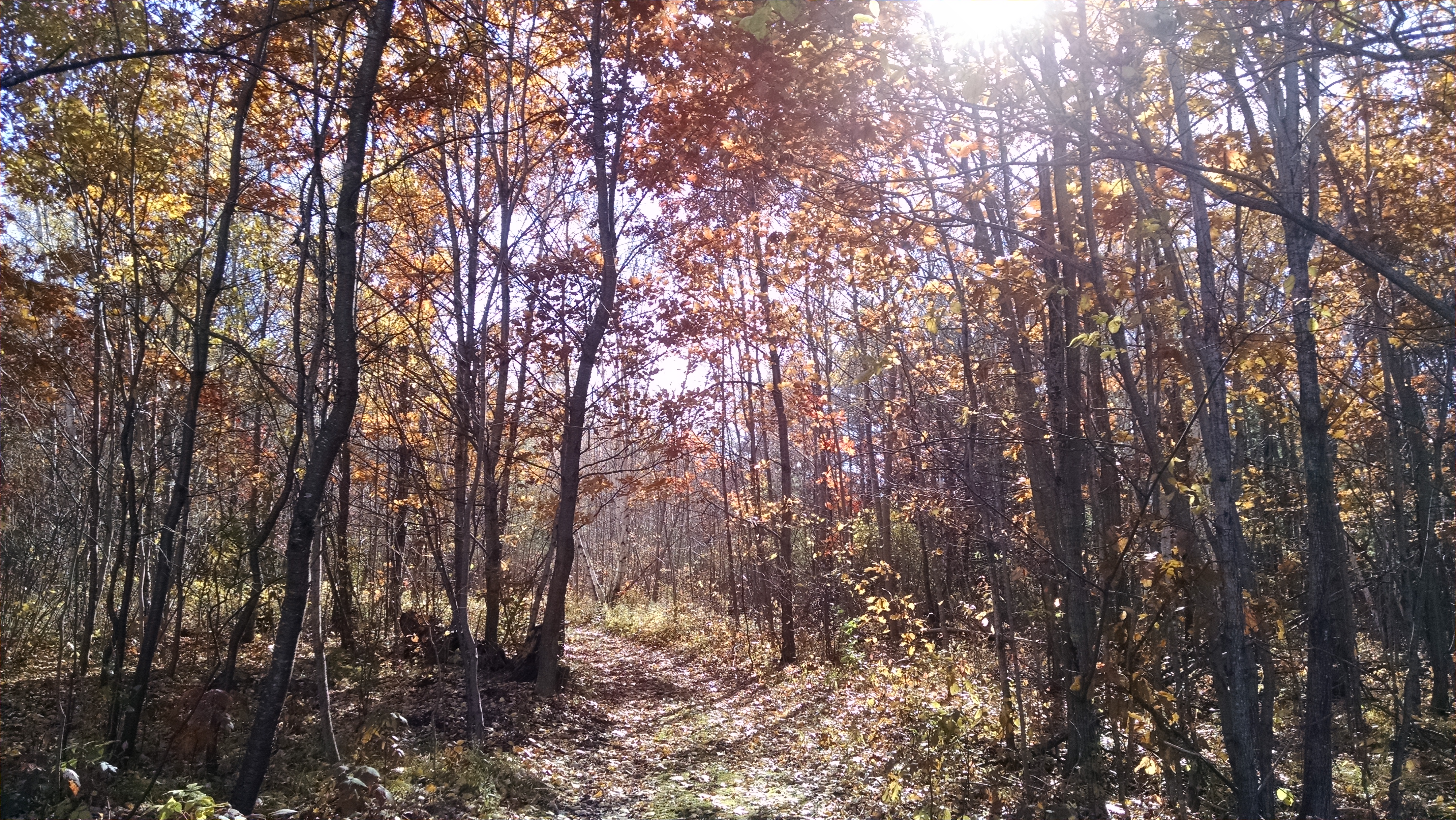
Aromatic leaves tumble in the air
Undressed trees now stand naked and bare
Towering pines remain forever green
Upholding their resolve to brighten this bleak scene
Mild breezes turn bitter, frigid cold
Now winter is a coming; we have been foretold!
Calm temperance and being at quiet peace
with how God had lovingly made me.
Open-minded and patient with God’s perfect will
which over darkness and evil will prevail.
Not being envious nor deeply desiring
fine splendid things which this world is offering.
Trusting in God’s timely and gracious provisions;
his love, unending mercy, and sovereign wisdom.
Eyes firmly focused on the Lord Jesus Christ
bound in unshakable hope of everlasting life.
Never forgetting God’s ultimate plan for me and you;
remembering his promises will all come true.
Thankful heart while living in God’s good grace
knowing one day we’ll see him, face to face.

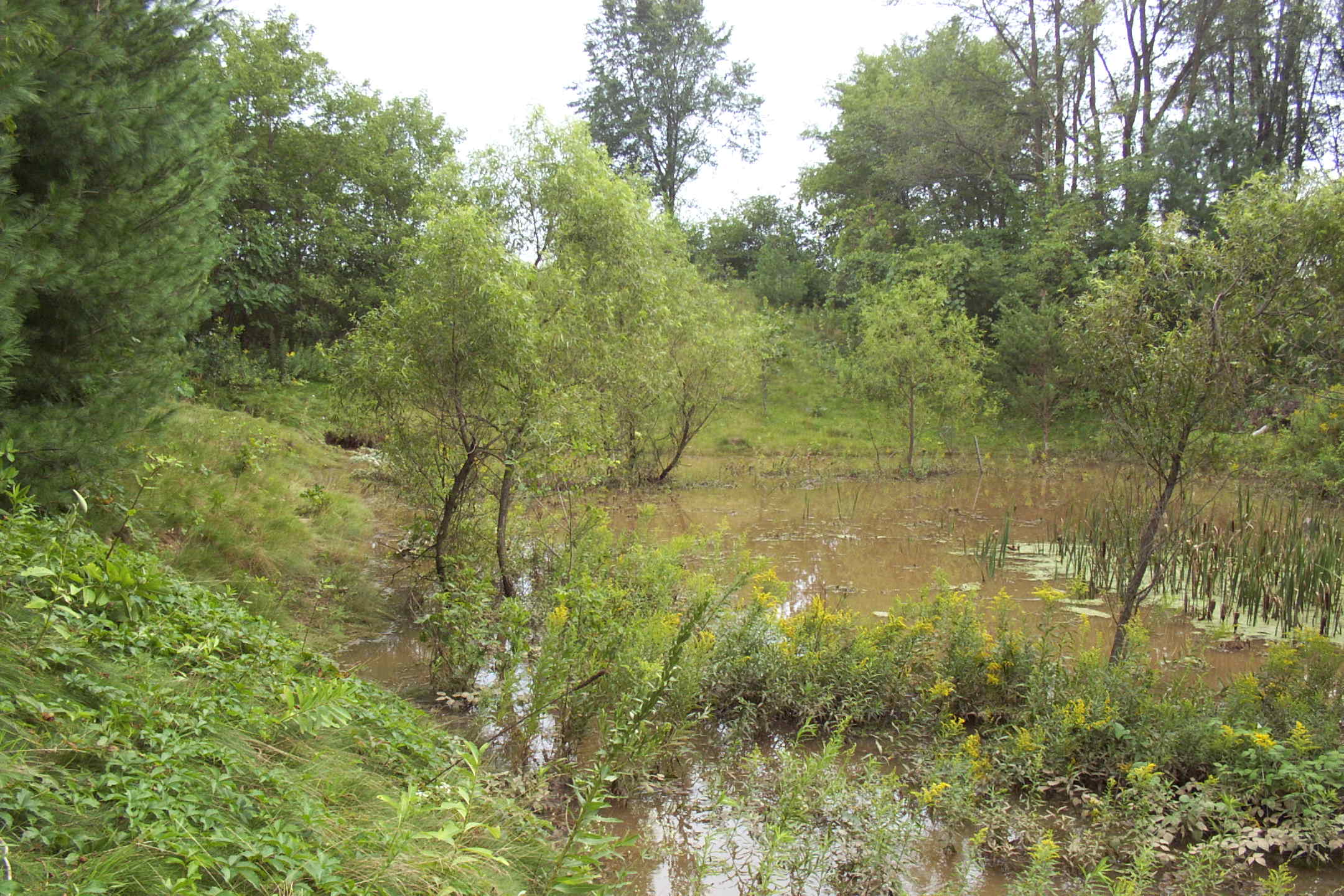
Fluttering vibrant leaves paint the misty scene
Amid a chilly wind dancing in the trees
Long needled pines loftily tower and remain
Long after the swaying leaves fall away.
Here is a story about what my work life is like working as Direct Support Professional also known as a DSP. I thought I would share this to give others an idea of what work life is like for me. I hope you enjoy reading about it and can be supportive of other DSPs you might see working in your community.
Time: 10:00 am on a Friday. I arrive at my office to meet with fellow staff and check messages and I’m prepared for a long day. I am a Direct Support Professional also known as a DSP; I work with individuals who have developmental disabilities. At 11:30 I pick up my first client, who has cerebral palsy and has trouble sleeping; I assist him to go to the Sleep Center Clinic and acquire new supplies for his c-pap machine. He demonstrates to me that he knows how to fill the new water chamber and insert it into his machine. I adjust his new mask so that it fits properly and I attach the long hose connecting it to the machine; it is now ready for him to use tonight. We also pick up medications and stop at the bank.
I meet another client as she is finishing work. She requires support and extra time in learning new work habits and skills. She works hard in the cafeteria at the state university. We review her finances by studying her checkbook ledger and her computerized finance program. She works on reconciling her bank statement and compiles a monthly cash flow report. She informs me that she has kept up with her apartment bills and I note these in her checkbook ledger. She memorizes when her bills are due and uses the cash flow report to determine if she is overspending or staying in her monthly budget. She often asks me, “I did a good job, didn’t I?” She also works on making birthday cards for family members on her computer with some help. She has been practicing computer skills and is proud of what she has mastered so far. We also review upcoming medical appointments for next week and plans for the weekend. She will be volunteering as a Sunday school teacher aide.
I then return to the office to pick up the weekend on-call phone and review incoming reports. I count the reports finding not all are in yet. While studying them I note that some clients are suffering from colds and one has started a new medication. He is required to call me over the weekend about administering it correctly. Another individual, who has diabetes, needs to call me regarding her glucose readings. If her readings are in normal range then I know she is fine. If not then I instruct her on what to do and assist her as needed to obtain medical care. I note the times she is expected to call.
I leave the office meeting with an individual with cerebral palsy who works on his hygiene and apartment care tasks. He has a grocery list ready so we go shopping and prepare supper. I review weekend plans and any weather concerns with him; I provide training regarding severe weather safety. Living in Minnesota, I train about safety in severe wintry weather which include staying safe from freezing temperatures, recognizing frostbite and hypothermia, and heeding blizzard advisories and warnings. In the summer months, I train on hot weather safety, keeping hydrated, recognizing heat stroke and heat exhaustion, and heeding severe thunderstorm and tornado warnings. For his weekend plans, he tells me, “I’m going to the mall tomorrow.”
I asked, “Are you watching the football game on Sunday?” He grimaces and shakes his head. Since Minnesota Vikings were not playing he wasn’t interested. He is also required to call me about his medical condition over the next few days. I report to the office one more time staying late to update clients’ charting, and collect all on-call reports. I take more notes and check the clock; I know everyone else is off duty. I am now on-call for 50 clients over the weekend and for all the overnight shifts until next Friday. This means I must be ready to respond to any health questions, safety concerns, and medical emergencies.
I work as a Community Living Coordinator (CLC) and as a Direct Support Professional (DSP) in southern Minnesota. As a CLC, I have administrative duties and assist individuals to manage their health care services, finances, and their home responsibilities. I am on-call for emergencies. But most of my work is as a DSP. In this role, I work directly with individuals assisting and teaching them in many aspects of independent living such as cooking, planning nutritional meals, shopping, medical appointments, medication administration, apartment maintenance, social skills, exercise, accessing community services (such as the library and the YMCA), and use of public transportation. Each day is different and sometimes I don’t know what the day will bring. I’ve learned to be ready for the unexpected.
The position of a Direct Support Professional (DSP) has only been nationally recognized in recent years and many do not know what a DSP does. As Direct Support Professional, I am trained to work directly with individuals with developmental disabilities assisting them to live as independently as they can. My training covers many areas including individualized program implementation, teaching strategies, CPR, first aid, recognition of illnesses, infection control procedures, work related health and fire safety, and on following state and federal confidentiality laws which apply to all health care related services. I receive training specific to each individual on my caseload as each one has unique health care needs and teaching strategies which work for that person.
I specifically work in a Semi-independent Living Services (SILS) program with individuals who have developmental disabilities and who are trying to maintain their independence for as long as they can in their own homes. DSPs work in other settings including intermediate care facilities (ICFs which incorporate 24 hour nursing similar to nursing homes) and Supportive Living Services (known as SLS which entail 24 hour supervision in group home settings in the community). In the SILS setting, I work with individuals who had lived in state institutions, SLS settings, or with their families. These individuals have cerebral palsy, Down’s syndrome, and other forms of developmental disabilities.
In earlier years, I’ve worked in an ICF setting which was a 44 bed facility divided into eleven apartment units. Each apartment contained a kitchen, living room, bathroom and four bedrooms allowing four individuals to live in each apartment. I worked with individuals who had autism, Congenital Rubella Syndrome, Prader-Willes Syndrome, and Cornelia Delaine Syndrome. Many of these individuals had moved to the ICF facility from a state institution where they had lived secluded from society for years, even decades.
While working with individuals who were deaf and blind, I learned American Sign Language so that I could communicate with them in their hands (also known as tactile signing). I needed to determine a name sign for myself so I chose to sign “be” next to my right check. When I signed this to an individual who couldn’t see or hear, then that person knew which staff was working with him. One day, I as I was working with a group who were deaf and blind, one of the individuals, who also uses a wheelchair, was moaning and frantically signing, “Help please, help please.”
I approached him as he was seated at the dining table, tapped on his shoulder and signed in his hands, “What do you want?”
“Boat, please,” he signed as he moaned and frowned.
His collection of miniature boats and airplanes was scattered on the table. He has memorized his entire collection and one of his favorite boats had fallen on the floor. I retrieved the boat giving it back to him.
“Thank you,” he signed with a bright smile.
In the ICF setting, I assisted people with medications, exercise programs, and physical therapy. I also taught basic skills in hygiene care, cooking, and family style dining. This is when individuals sit in small groups like a family around the dining table while I assist them to serve themselves and pass serving dishes to their peers. We also engage in conversation. This is often a social learning experience for individuals who formerly ate in large groups in the state hospitals where family dining was unheard of. I also assisted and taught about apartment care responsibilities, communication (modified sign language), leisure interests and community integration.
An example of community integration is when on a bright summer day, I walked with a young lady to a nearby fast food restaurant. This is her first time to visit this restaurant and I teach her the steps of ordering and paying for a meal. As we approach the counter, I read to her food options from an overhead menu. A young clerk is waiting to take her order.
With some encouragement from me, Alice announces and signs her order, “I want a hamburger, fries, and a pop.” Her pronunciation of words is garbled and the clerk’s helpful smile freezes.
I step forward, “let’s try that again. Now you said a hamburger?”
“Hamburger,” she repeats.
“And you said fries?”
“Fries,” she stated again.
“And you said?”
“Pop,” she answers. She also signs “pop” with enthusiasm. The clerk’s smile remains frozen.
I scratch my head, “which kind of pop? There’s coke, orange, or Sprite?’
“Coke,” she finishes her order and I instruct her how to pay for her meal. The young lady behind the counter has returned to life accepting the payment and filling her order.
“Thank you,” she replies and signs as she receives her tray of food.
Each person I work with today in the SILS program lives in his or her own house or apartment in the community. Each individual is unique and each has an individualized set of goals and learning objectives to work on (such as managing a checkbook, paying bills, preparing nutritional meals, oral care, and cleaning apartment). I support and teach them how to meet their planned goals. Each learning goal is constructed into an individualized program plan. Each person is also encouraged to select personal outcomes.
While program plans address learning skills related to personal health care, managing finances, home care, and independent living in the community, outcomes are unique personal interest goals; they often represent aspiring dreams and desires. For instance, one individual wanted to learn computer skills and digital photography. Another person wanted to go on a vacation in Florida while a third wanted to attend Driver’s Education classes. One gentleman returned to school to earn his high school diploma. I help write individual program plans and outcomes devising strategies of how each person could meet his or her desired goals. As a DSP, I meet with individuals on my caseload through the week implementing their personal program plans and outcome strategies so they may build on their independent living skills and achieve their desired personal goals.
Time: 8:00 am the following Friday morning. I have completed my week of CLC on-call duties. I report to the office returning the on-call cell phone and the on-call book. I meet with supervisors and other staff to review continuing concerns. I also prepare a report for the next on-call staff. I gather my keys, my notes, and regular work cell phone. Driving to meet the first client on my schedule, I was ready to continue the day in my life as a DSP. While on this journey, I have learned to look beyond a disability and see the unique person inside. With each person, I see someone with dreams, unique abilities, and personal interests who like me and everyone else I know, wants to be cared about and valued by others and pursue a full and meaningful life.
Setting a Life to Words
Finding God's Grace in a Lemon-filled World
Developmental Editor | Line Editor
Warning: A feminist writes here. Content may contain angry, vulgar, and sometimes funny language.
I no longer live, but Christ lives in me. Gal. 2:20
thoughts from my mind to yours
A little bit of this and that
THE WOMAN WITH WHEELS
Thoughts from the Heartland
the joy of creativity
The details of my Journey.
Inspiration through my thoughts, experiences and travels
All information not in hand belongs on a bookshelf
~ Communicator, WordSmith, Artist, Guide, Mentor, Muse ~
I write because I read. I read because I write.
Christian poetry and prose, quotes, and thoughts - if they glorify God they were worth writing; if they mean something to one other person, they were worth sharing. Comments always welcome!
Reading fiction with a focus on craft
W.R.I.T.E. Words
Setting a Life to Words
Finding God's Grace in a Lemon-filled World
Developmental Editor | Line Editor
Warning: A feminist writes here. Content may contain angry, vulgar, and sometimes funny language.
I no longer live, but Christ lives in me. Gal. 2:20
thoughts from my mind to yours
A little bit of this and that
THE WOMAN WITH WHEELS
Thoughts from the Heartland
the joy of creativity
The details of my Journey.
Inspiration through my thoughts, experiences and travels
All information not in hand belongs on a bookshelf
~ Communicator, WordSmith, Artist, Guide, Mentor, Muse ~
I write because I read. I read because I write.
Christian poetry and prose, quotes, and thoughts - if they glorify God they were worth writing; if they mean something to one other person, they were worth sharing. Comments always welcome!
Reading fiction with a focus on craft
W.R.I.T.E. Words

 Becky G? Oh, That's Me!
